ABOUT TARANGIRE NATIONAL PARK
Land of Giants & Hidden Treasures
WELCOME
TARANGIRE NATIONAL PARK
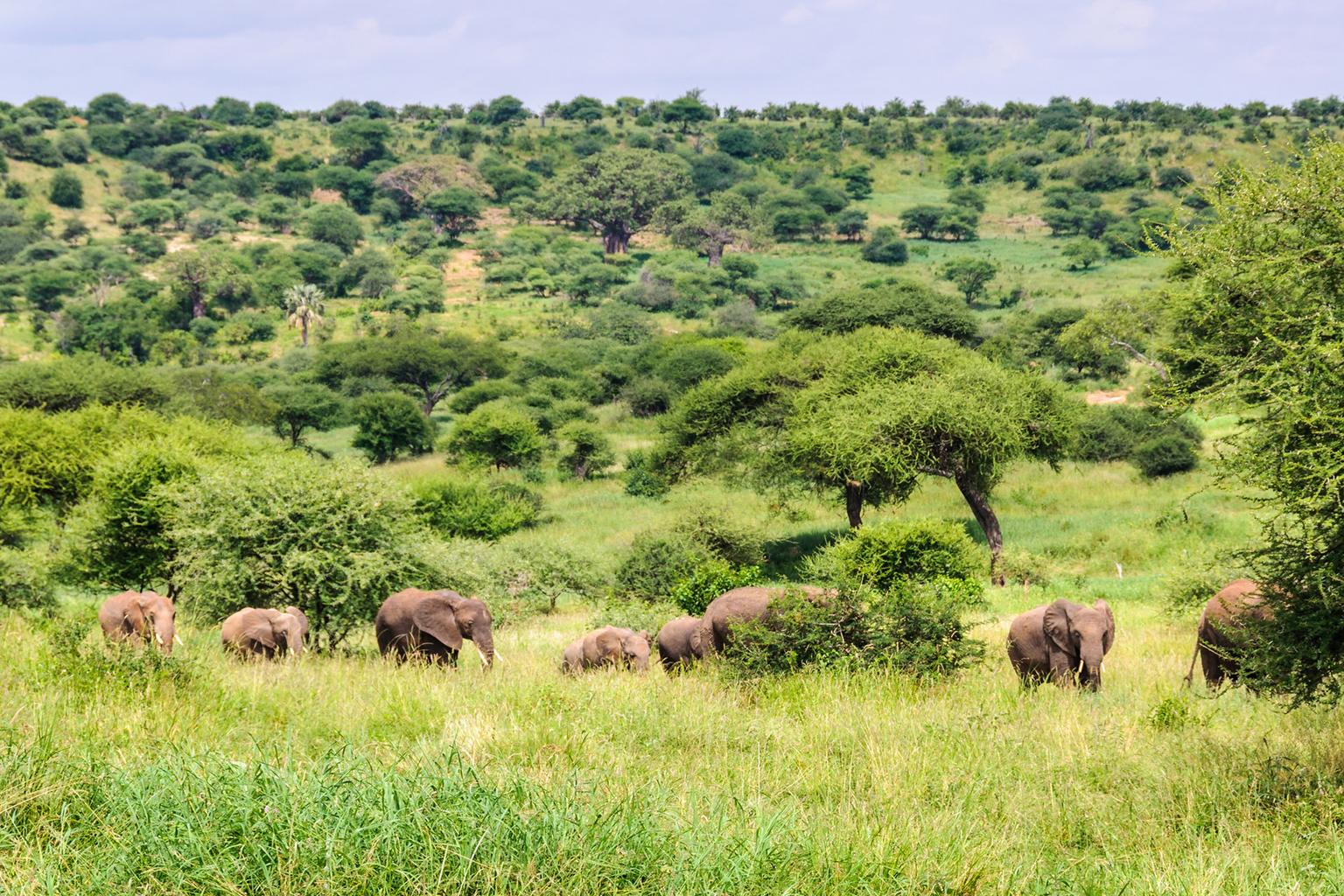
Tarangire National Park is famed for its awe-inspiring elephant herds—the largest in Tanzania—and its iconic baobab-dotted landscapes. While smaller than the Serengeti, Tarangire packs a dramatic punch with year-round wildlife spectacles, especially in the dry season when animals flock to the life-giving Tarangire River.
PARK
MANAGEMENT

COMMANDING
OFFICER
FIRST M. SURNAME
first.surname@tanzaniaparks.go.tz
PRINCIPLE CONSERVATION OFFICER (PCO)

PCO - CONSERVATION &
BUSINESS DEVELOPMENT
FIRST M. SURNAME
first.surname@tanzaniaparks.go.tz

PCO - CORPOTATE
AFFAIRS
FIRST M. SURNAME
first.surname@tanzaniaparks.go.tz
HEAD OF DEPARTMENTS CONSERVATION OFFICER

SCO - HUMAN RESOURCE
HR
FIRST M. SURNAME
first.surname@tanzaniaparks.go.tz
%402x.1910ef81.jpg&w=1280&q=75)
COI - LAW ENFORCEMENT
LESS
FIRST M. SURNAME
first.surname@tanzaniaparks.go.tz

COII - PROCUMENT & SUPPLY
AFFAIRS
FIRST M. SURNAME
first.surname@tanzaniaparks.go.tz

COI - INTERNAL AUDITAL
AFFAIRS
FIRST M. SURNAME
first.surname@tanzaniaparks.go.tz
HISTORY
TARANGIRE NATIONAL PARK
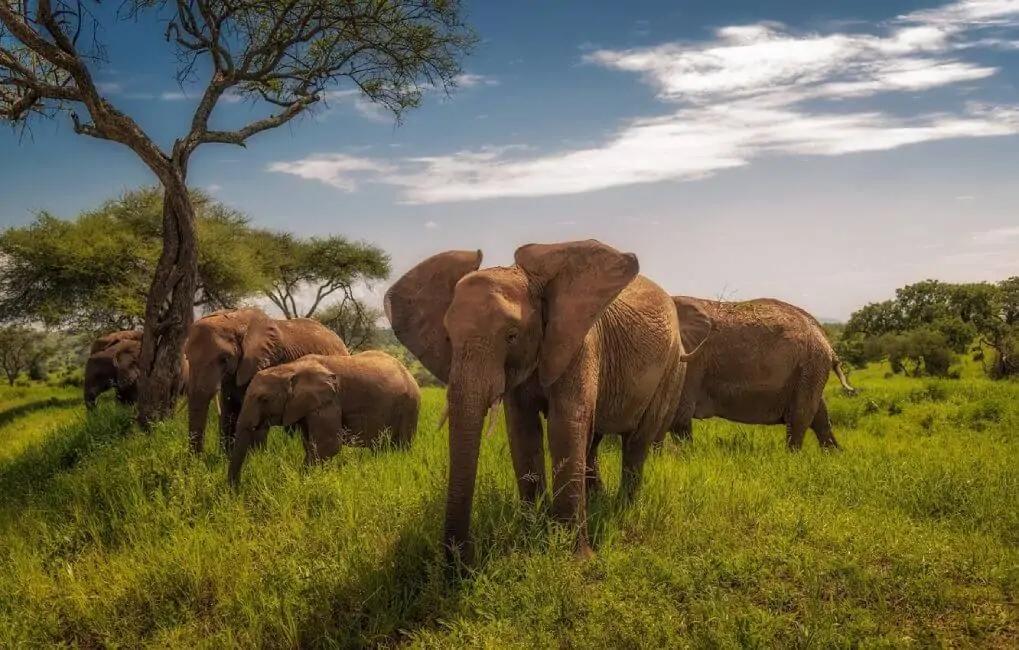
Tarangire extends to you a very cordial welcome. We are thrilled to have you here and we appreciate for trusting us. Whether you are visiting here for a day trip or having an overnight, Tarangire has something for everyone. The park is impressively splendid for its famous concentration of wild animals especially the elephants and it is also one of the finest birding destinations in East Africa. The name of the park originates from the Tarangire River that crosses the park and covers an area of 2850 km 2.
Tarangire has a bimodal rainfall with short rains starting from November to December, long rains from March to May and dry season from June to October and January to February. The park is located at an altitude between 900m and 1250meters with annual average rainfall ranging from 650 to 700mm.
The world's best place to see wildlife
The park can be reached by flight from Tarangire International Airport which is 46km from Arusha. Charted flights are also available from Arusha to Kuro Airstrip located inside the park Tarangire has a bimodal rainfall with short rains starting from November to December, long rains from March to May and dry season from June to October and January to February. The park is located at an altitude between 900m and 1250meters with annual average rainfall ranging from 650 to 700mm.
History of Tarangire National Park
The name of the park originates from the Tarangire River that crosses the park and covers an area of 2850 km 2.
The name of the park originates from the Tarangire River that crosses the park and covers an area of 2850 km 2.
The name of the park originates from the Tarangire River that crosses the park and covers an area of 2850 km 2.
The name of the park originates from the Tarangire River that crosses the park and covers an area of 2850 km 2.
CONSERVATION
GOALS
Through anti-poaching efforts, habitat restoration, community education, and strategic tourism planning, Tarangire aims to balance human engagement and wildlife protection. Collaboration with local and global partners ensures long-term preservation of this iconic landscape.
Stay Connected to TANAPA Updates
Get highlights, announcements, and featured stories delivered to your inbox.