WILDLIFE & HABITATS
Discover the biodiversity of Kilimanjaro National Park
WILDLIFE
KILIMANJARO NATIONAL PARK
Montane Forest Mammals
Black-and-white colobus and blue monkeys are emblematic; you may also encounter bushbuck, duiker and buffalo along forest glades.
High-Altitude Specialists
Above the treeline, look for moorland and alpine species around giant lobelias and senecios along the Shira and Saddle zones.
Birdlife
Noted for montane forest birds and high-elevation specialists — sunbirds, chats and raptors soar over ridges and moorlands.
Carnivores (Elusive)
Leopard and spotted hyena occur but are rarely seen; sightings are most likely at dawn/dusk near forest edges.
DIVERSE HABITATS
KILIMANJARO NATIONAL PARK

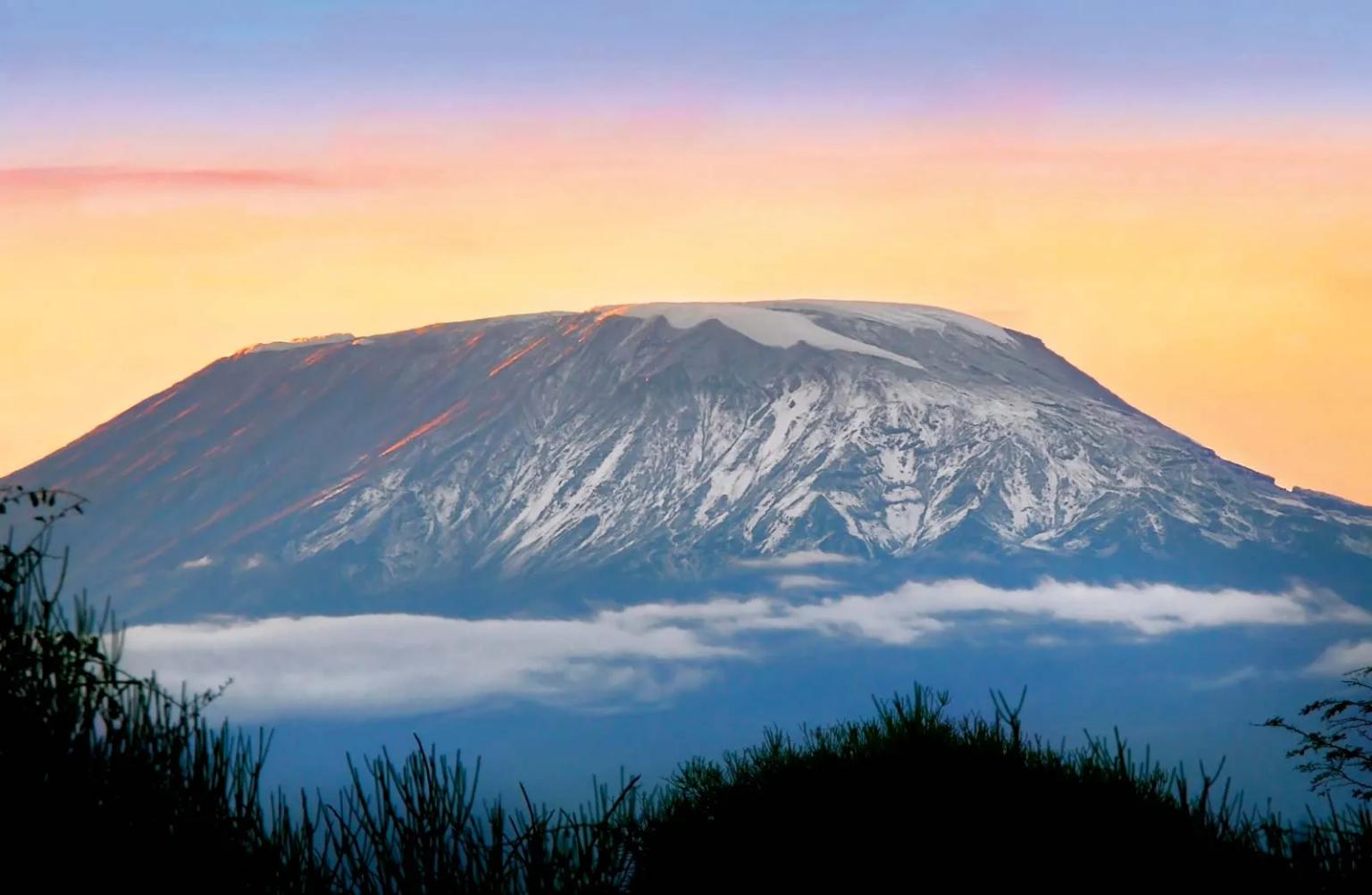
Kilimanjaro’s dramatic elevation gradient creates five classic ecological zones: lush montane forest, heath and moorland, harsh alpine desert, and the summit icefields atop Kibo — with the Shira Plateau and Mawenzi massifs adding even more variety.
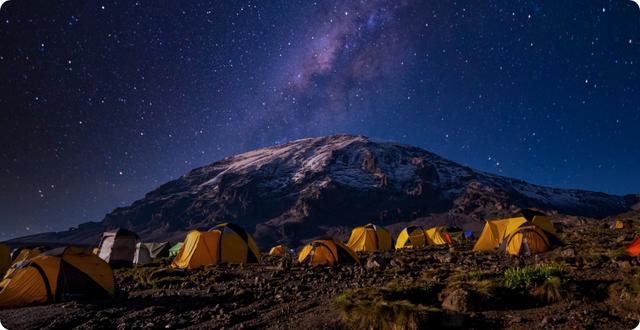
Giant groundsels and lobelias punctuate the moorlands, while forest rivers and cloud-belt catchments sustain wildlife lower down. The broad Kibo–Mawenzi Saddle forms a high -altitude desert plain with vast views toward the crater rim.
Conservation is Key
Responsible trekking protects fragile high-altitude habitats. Choose itineraries that allow acclimatization, follow Leave No Trace principles, and support community livelihoods through licensed operators and fair porter practices.
Stay Connected to TANAPA Updates
Get highlights, announcements, and featured stories delivered to your inbox.