National Emblem
THE UNITED REPUBLIC OF TANZANIA
TANZANIA NATIONAL PARKS
ISO 9001: 2015 CERTIFIED
TANAPA Logo
Home Icon

MOUNT KILIMANJARO

GEOPARK

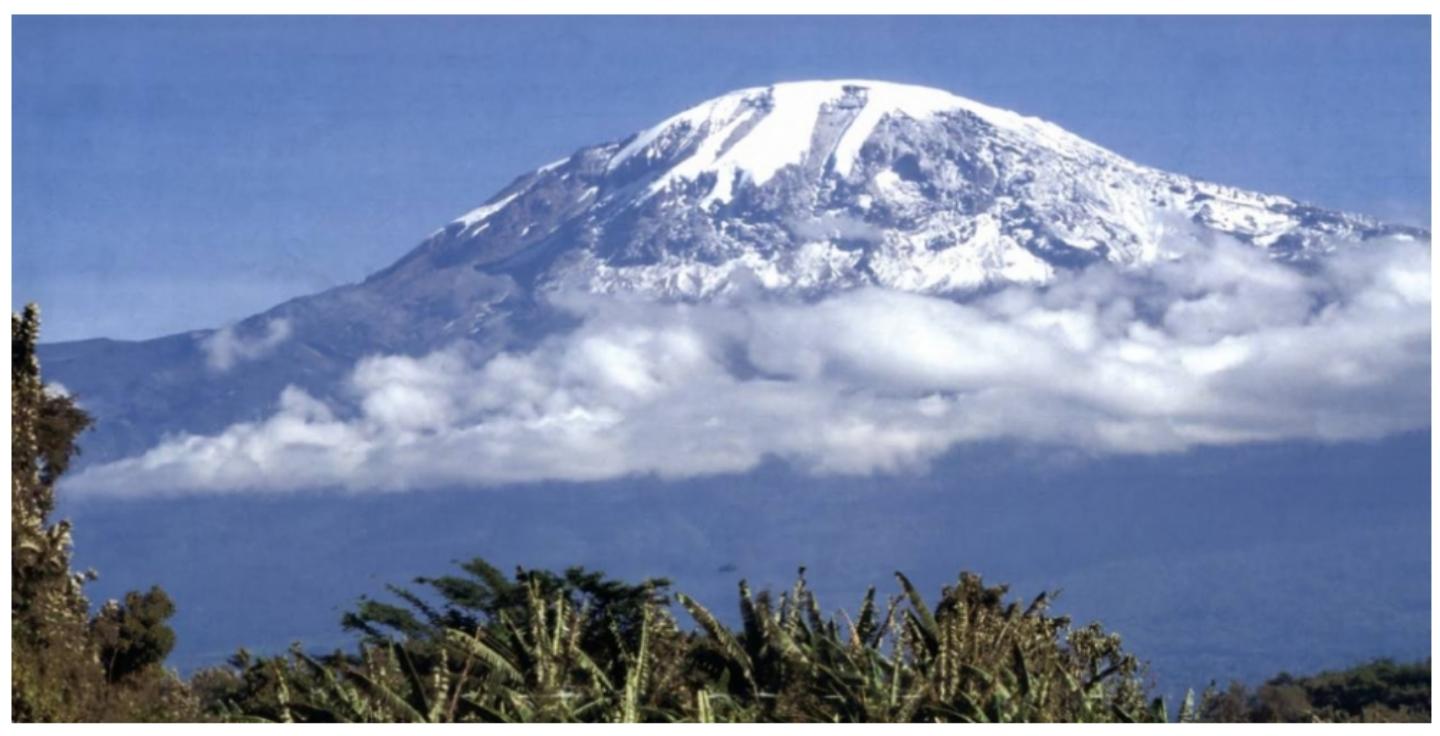
Mount Kilimanjaro is the most prominent feature of the Mount Kilimanjaro Geopark. Towering at 5,895 m a.s.l., it is Africa’s highest mountain and the world’s largest free‑standing stratovolcano. The massif comprises three iconic volcanic centers — Kibo, Mawenzi, and Shira — whose evolution and interactions have created outstanding geoheritage sites, dramatic landforms, and far‑reaching ecological influences across northern Tanzania.

The Geopark showcases Kilimanjaro’s volcanic history from the ancient Shira caldera and plateau, to the rugged Mawenzi cone with deeply eroded cirques, and the relatively young Kibo summit area with its crater, ash pits and remnant glaciers. Visitors experience the link between geologic processes, water resources, biodiversity, and culture — a living classroom on mountain geomorphology and high‑elevation ecosystems of East Africa.

Mount Kilimanjaro Geopark map/overview
Kibo crater walls and ice remnants
Shira Plateau lava layers

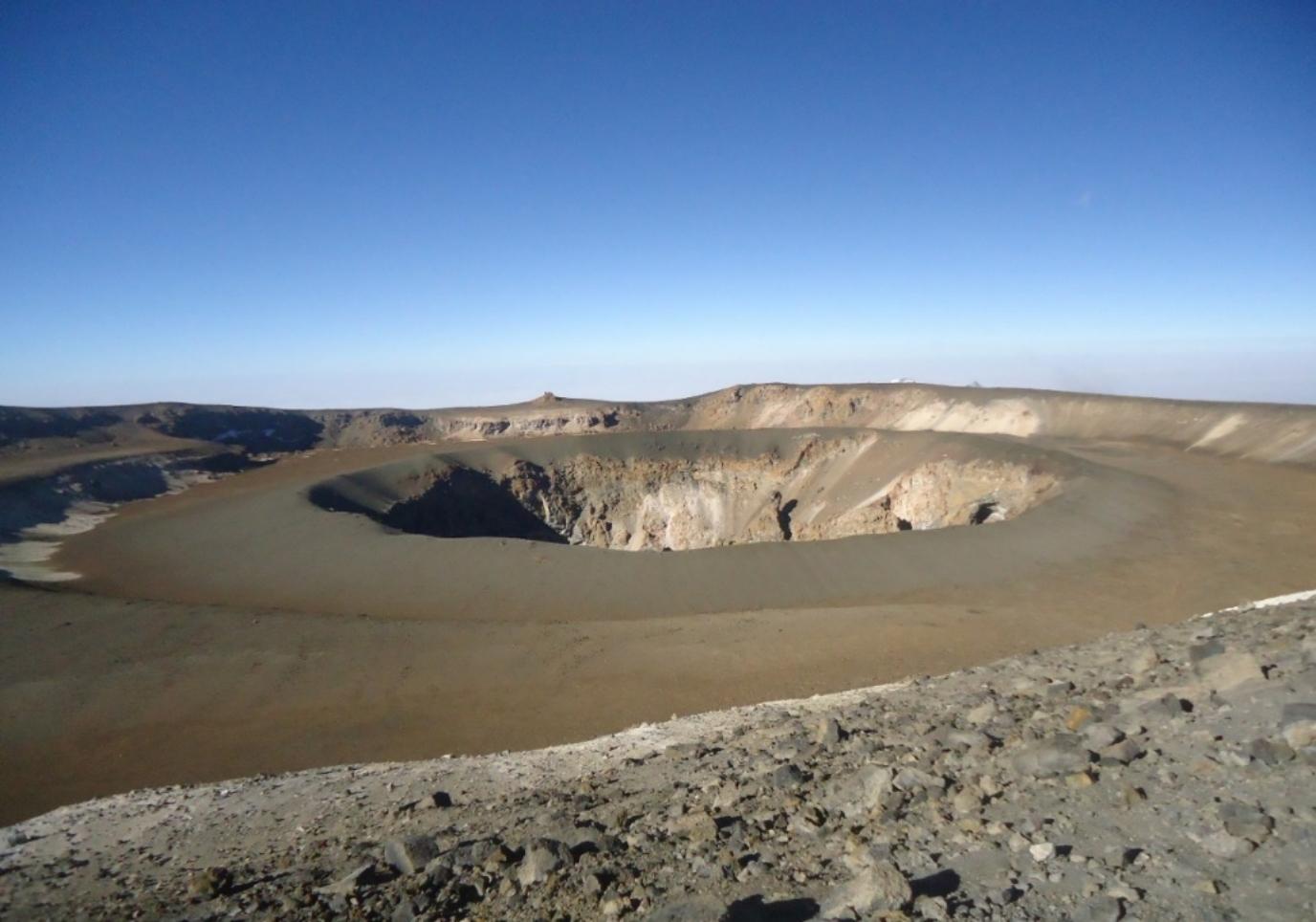
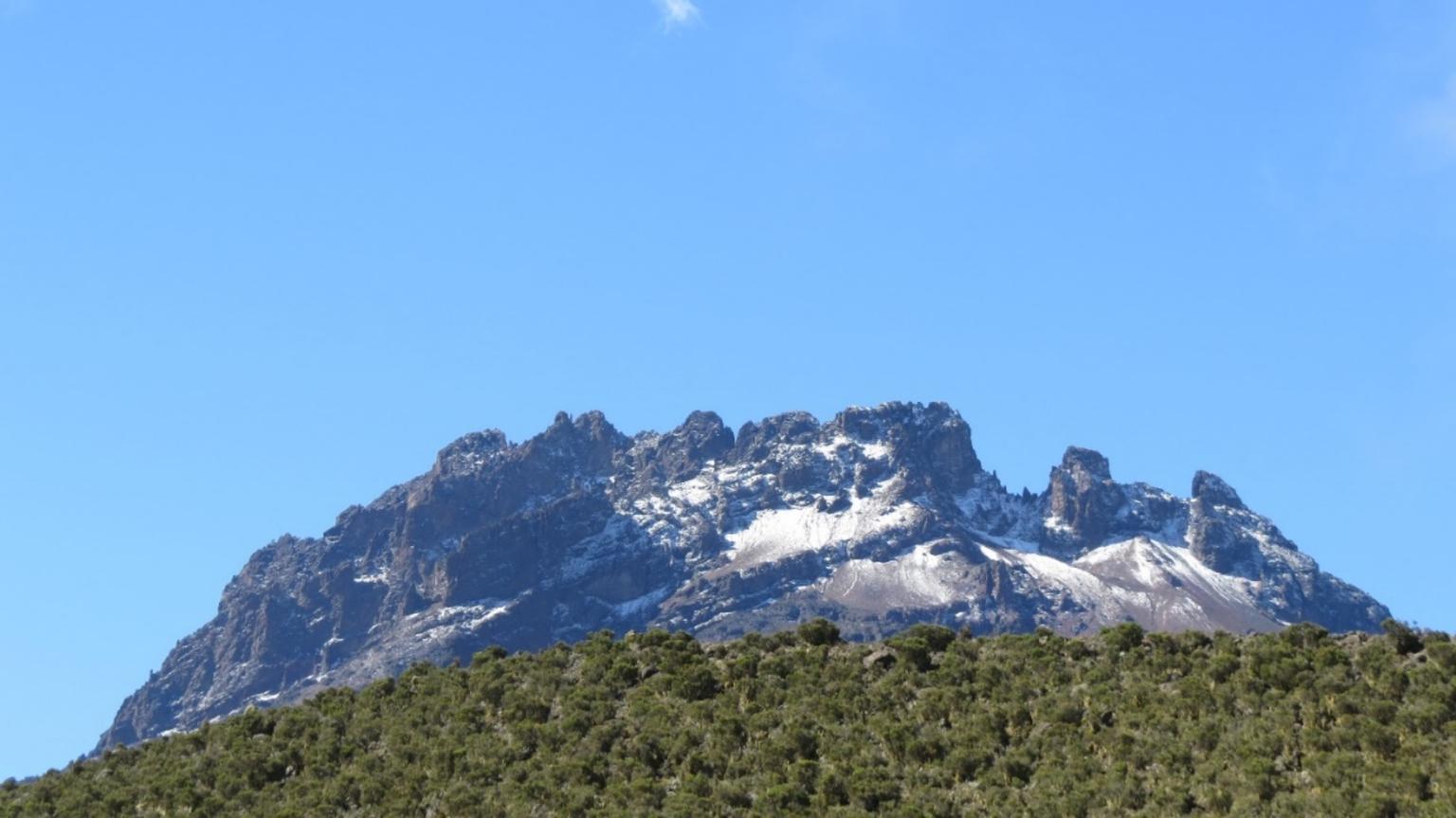
Kibo is the youngest central cone, crowned by a broad summit crater and ash pits. Its near‑vertical walls expose stacked lava flows and pyroclastic deposits that record recent phases of volcanism. Mawenzi, an older and highly eroded cone, exhibits sharp ridges and cirques sculpted by erosion and periglacial processes. Shira represents the oldest volcano, now a collapsed caldera forming the Shira Plateau — a high tableland of weathered lavas and tuffs with expansive views.

Traversing Kilimanjaro reveals transitions from montane‑forest volcanic soils to moorland and alpine desert, with lava towers, dikes, and welded tuffs punctuating the landscape. These features illustrate how volcanism, climate and time combine to shape one of the world’s great stratovolcanoes.

Figure 2: Layered lava and pyroclastic sequences visible on Kibo and across the Shira Plateau provide a readable timeline of eruptions and geomorphic change.

Shira Plateau

The Shira Plateau, remnant of the ancient Shira volcano, is a high‑elevation bench west of Kibo. Its gentle relief and wide vistas reveal lava plains, tuff layers and volcanic plugs. The plateau offers one of the finest windows into Kilimanjaro’s early eruptive history and provides accessible geosites for education and photography.

Mawenzi & The Saddle

The jagged spires of Mawenzi rise over the Saddle, a high‑altitude plain linking Mawenzi and Kibo. Deeply incised gullies, tors and cirques speak to intense weathering, frost action and mass wasting. On clear dawns, Mawenzi casts dramatic shadows across the Saddle — a hallmark scene of the Geopark.

Kibo Crater & Ash Pits

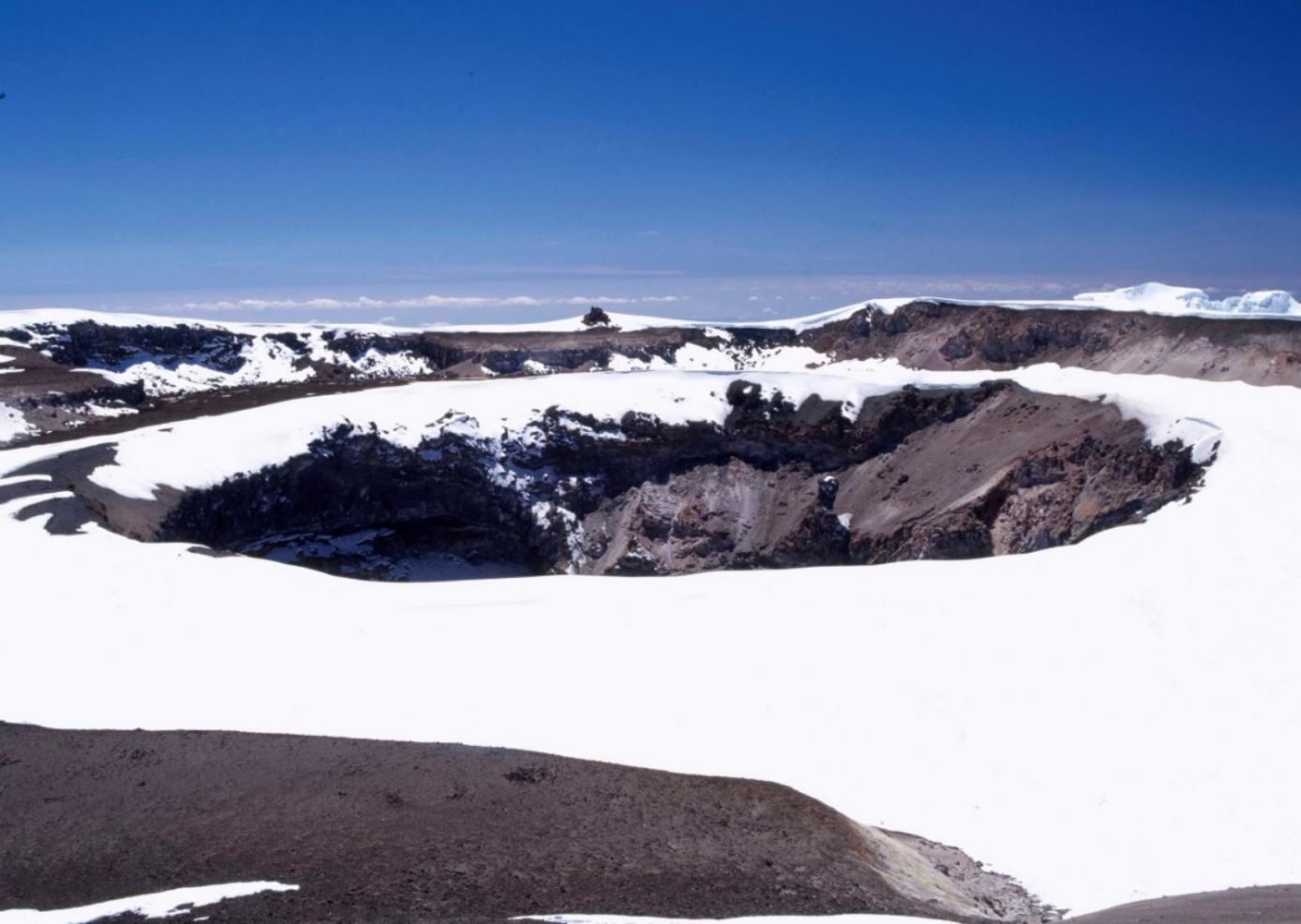
Near the roof of Africa, the summit area preserves a broad crater with inner ash pits — stark reminders of recent volcanism. From the crater rim, visitors overlook the caldera, neighboring Mawenzi, and out to the Pangani basin. These viewpoints help interpret Kilimanjaro’s eruptive sequences and the mountain’s role in regional hydrology.

Historical ice cover has retreated dramatically, leaving perched ice bodies and erosional benches. Together with the ash deposits, these features form classic high‑altitude geosites for climate and geomorphology studies.

Summit geology and crater perspectives

Figure 3: Summit rim and crater landscapes on Kibo illustrate young volcanic surfaces and periglacial forms.

Waterfalls & Rivers

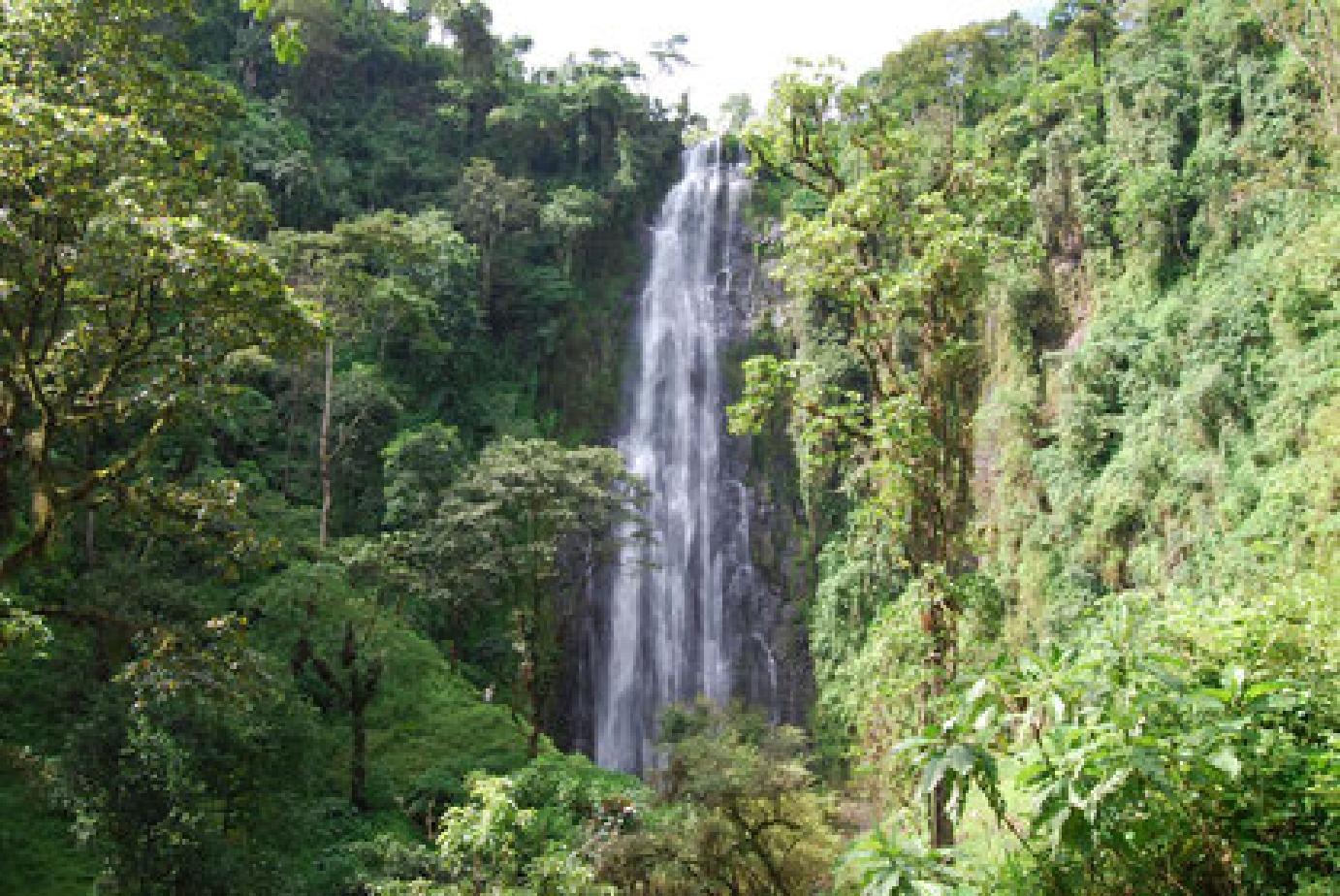
Fed by montane rainfall and high‑altitude mists, Kilimanjaro’s flanks host numerous springs and waterfalls in rich volcanic soils. Streams contribute to regional river systems, including the Pangani. Waterfalls in the surrounding communities (e.g. in the Moshi/Marangu area) offer scenic gateways to the Geopark’s geology‑and‑culture story.

Plateau and valley systems on Kilimanjaro

Figure 4: Plateau edges and incised valleys reveal the interplay of lavas, tephra and fluvial erosion on Kilimanjaro’s slopes.

High‑altitude moorland view
Montane forest and streams

Figure 5: Contrasting habitats from montane forest to alpine moorland reflect altitude, climate and substrate — hallmarks of Kilimanjaro’s vertical ecology.

SITES OF NATURAL, CULTURAL AND INTANGIBLE HERITAGE

DESCRIPTION

Habitat Diversity

Elevation drives rapid habitat turnover on Kilimanjaro — from fertile montane forest through heath & moorland to alpine desert and summit terrains. Microclimates and volcanic soils support lichens, giant groundsels, lobelias, and a wealth of birds and insects, providing clear examples of succession and adaptation across altitudinal belts.

Cultural Landscape

Communities on Kilimanjaro’s lower slopes maintain rich cultural traditions and an enduring relationship with the mountain’s water and soils. Local routes, heritage sites and interpretive stops help visitors connect geology with culture and daily life.

Notable & Endemic Species

Wildlife ranges from blue and colobus monkeys in montane forests to high‑altitude species such as the Kilimanjaro tree hyrax and specialized birds of the moorlands. Plant endemism and giant forms (e.g., Dendrosenecio, Lobelia) are emblematic of East African sky islands.

Lava Tower & High Moorland

A striking volcanic plug on the southern flanks, Lava Tower is a natural classroom on intrusive bodies and frost‑shattered rock. The surrounding high moorland displays patterned soils and periglacial features.

Lava Tower and moorland scene

Montane Forest Services

Kilimanjaro’s forests are critical water catchments that support irrigation, household supply, and hydropower downstream. They mitigate erosion and floods, improve soils, moderate temperature and winds, and sustain biodiversity integral to the Geopark’s resilience.

Cultural Springs & Sites

Springs and culturally significant places around the mountain have long served communities for water, ceremonies and traditional practices — tangible links between geology, water and culture in the shadow of Africa’s highest peak.

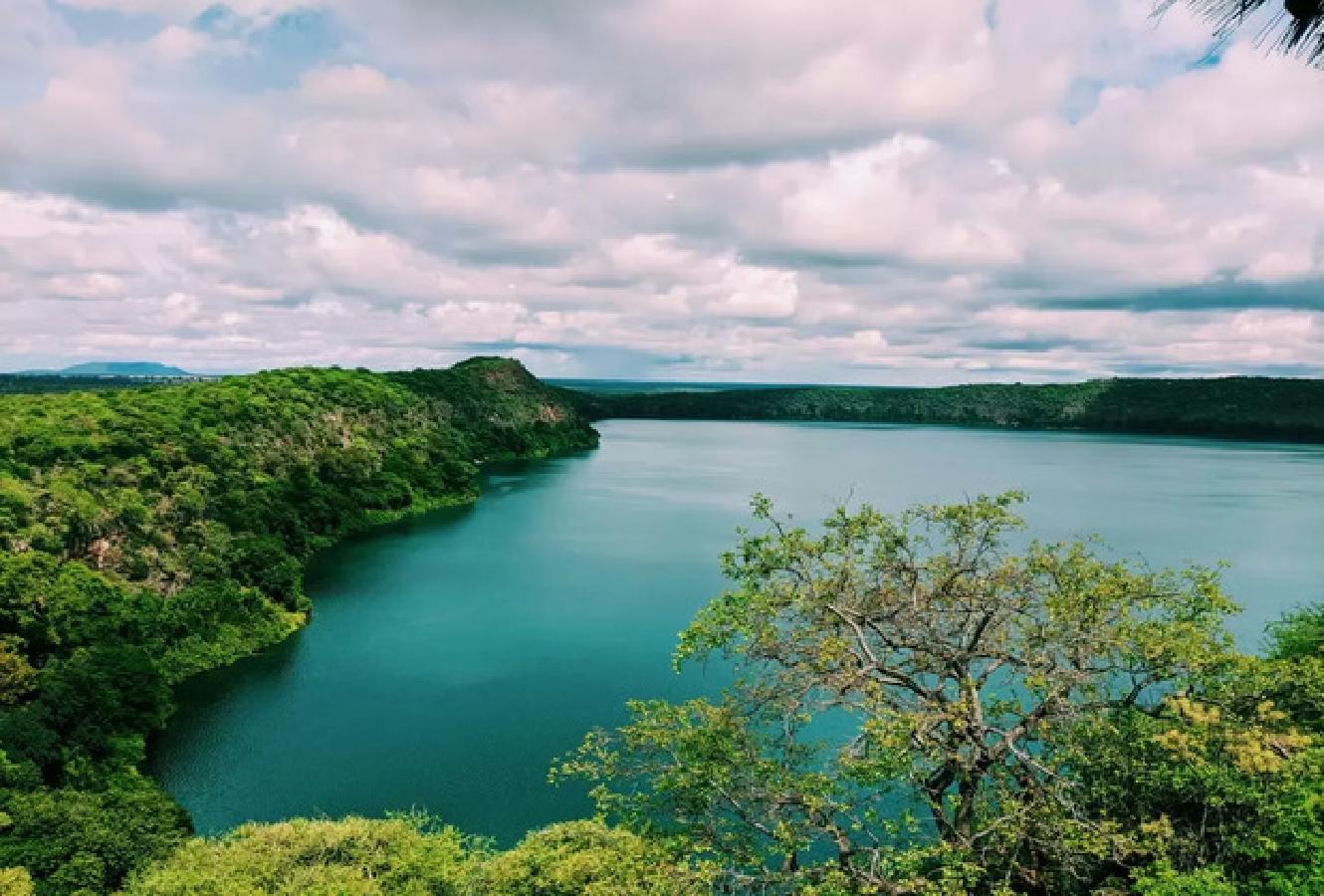
High‑plateau lakes and views

Figure 6: High‑plateau vistas on Kilimanjaro with seasonal wetlands and moorland mosaics.

Newsletter

Stay Connected to TANAPA Updates

Get highlights, announcements, and featured stories delivered to your inbox.

✉️

No spam. Unsubscribe anytime.

This Website is Maintained By TANAPA 2026, All Rights Reserved